Évora: Where History, Heat, and Bed Bugs Collide

Alright, after leaving the “Venice of Portugal” (aka Aveiro), we set off deeper into the Portuguese countryside, headed for the historic town of Évora. If you’ve never been to Évora, let me paint you a little picture: it’s a quaint, sun-baked town that’s absolutely dripping in history, but also hot as hell. Like, the “you-might-burst-into-flames-if-you-stay-in-the-sun-too-long” kind of heat. But hey, it’s all part of the charm, right?
Let’s dive into the good stuff first, because this place really does have some cool history (see what I did there?)
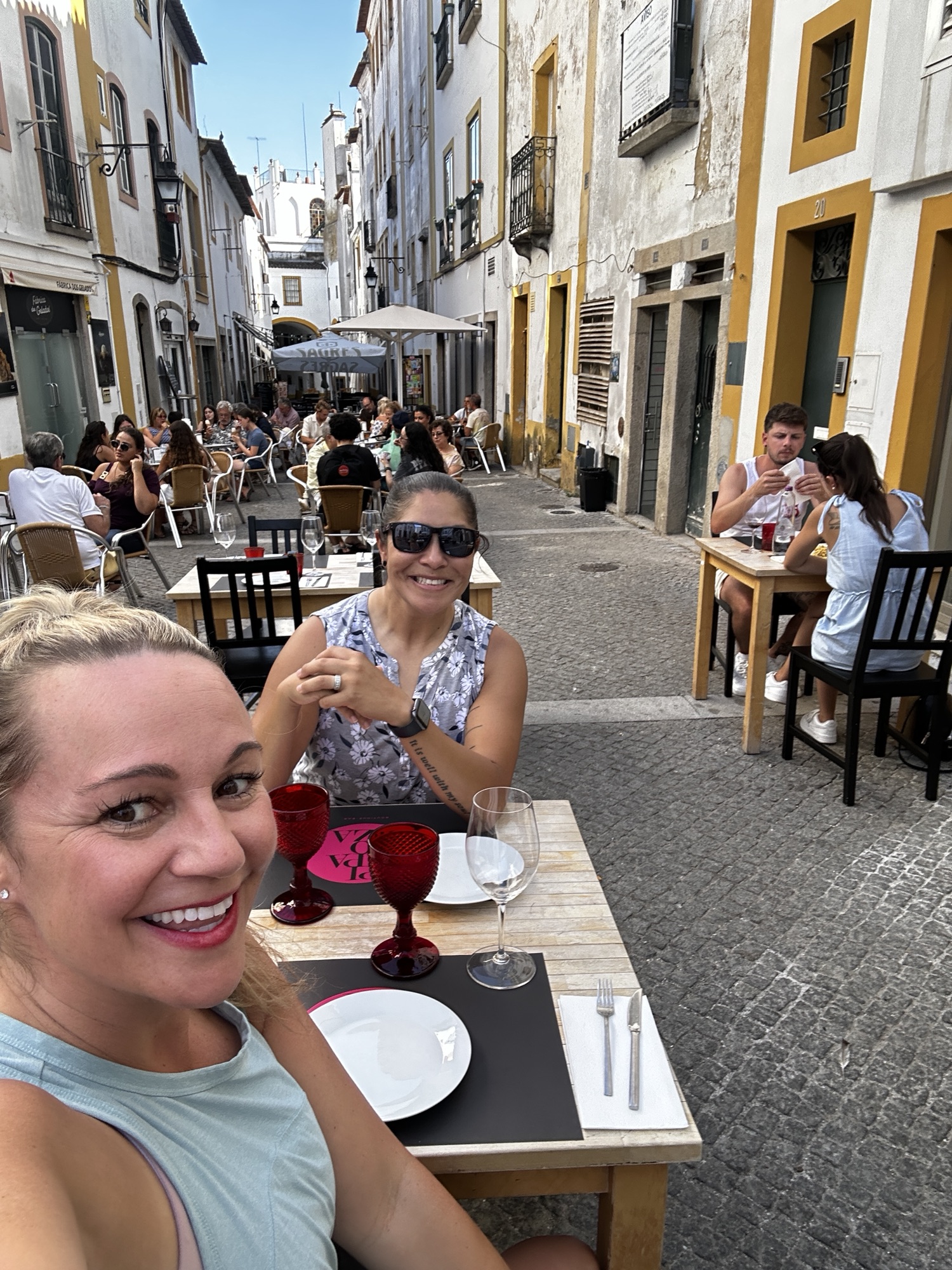
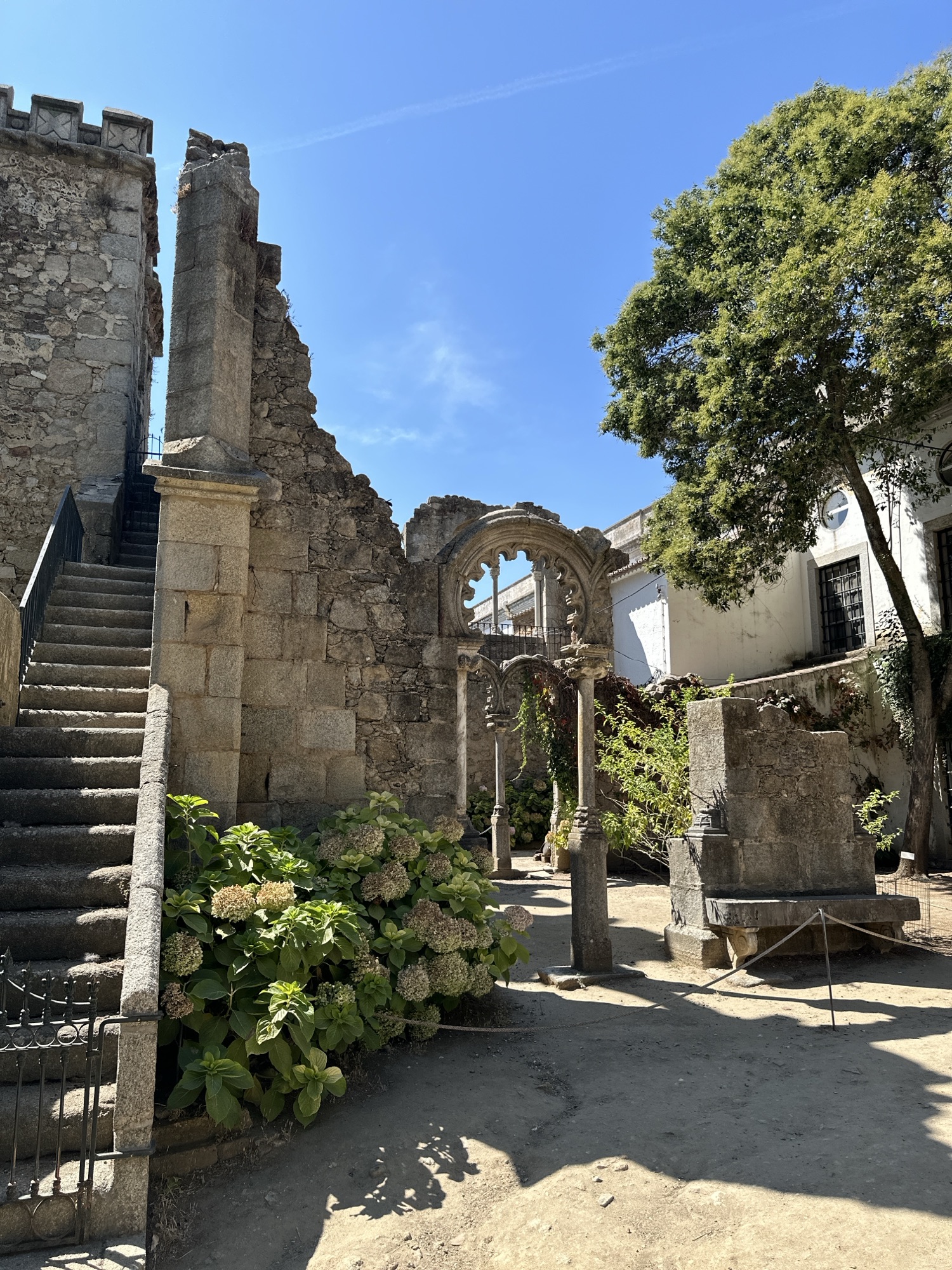
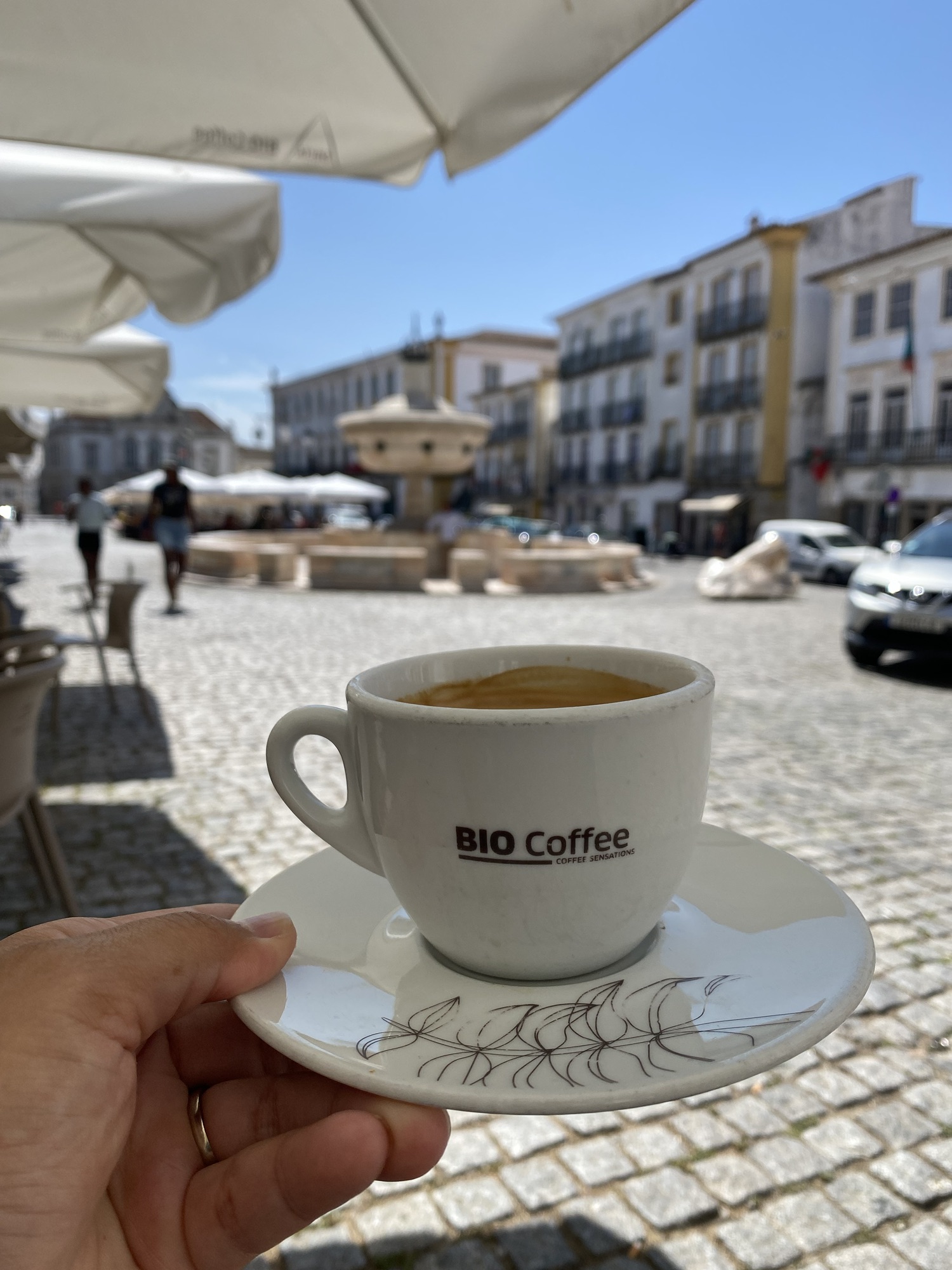
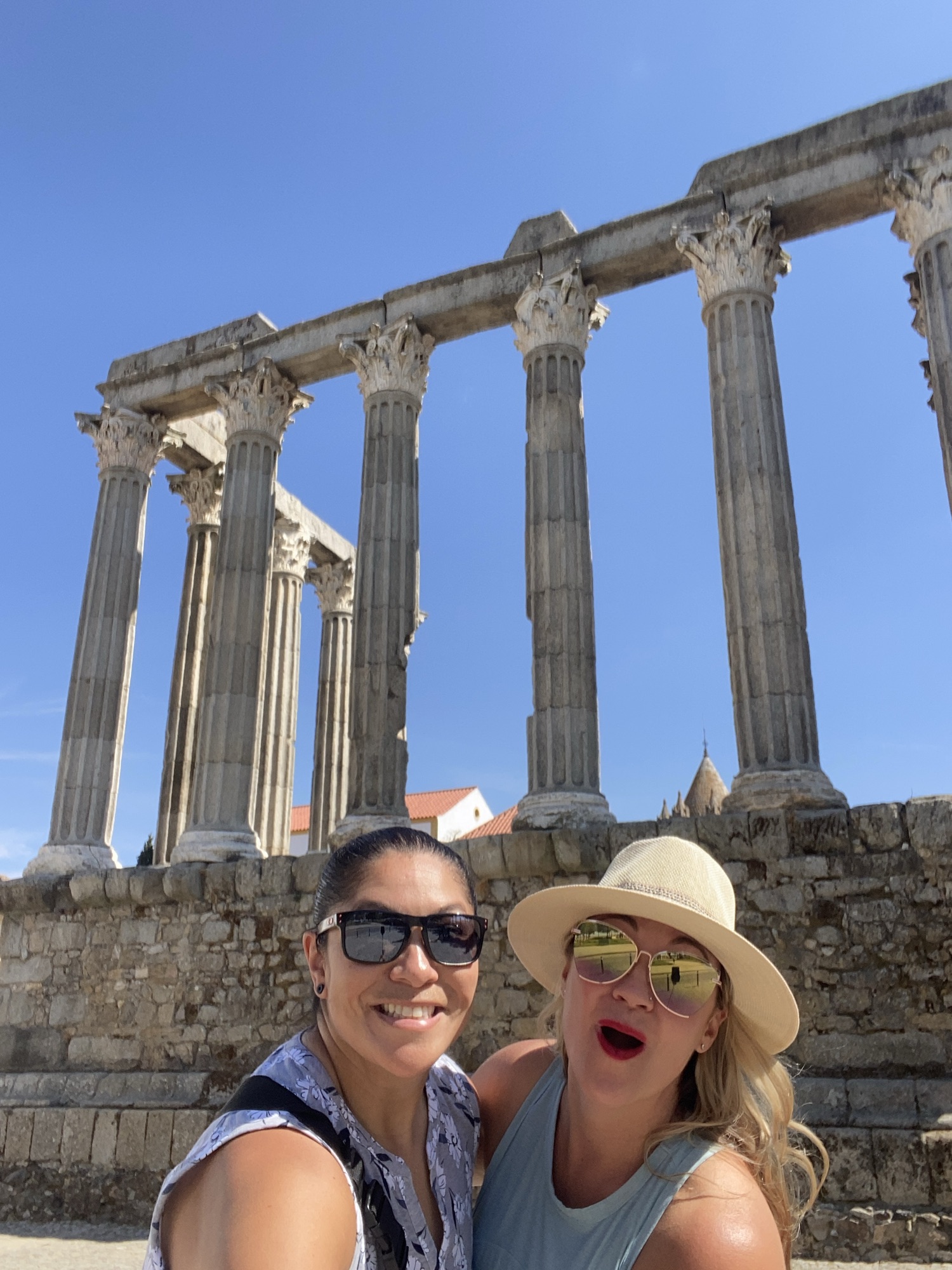
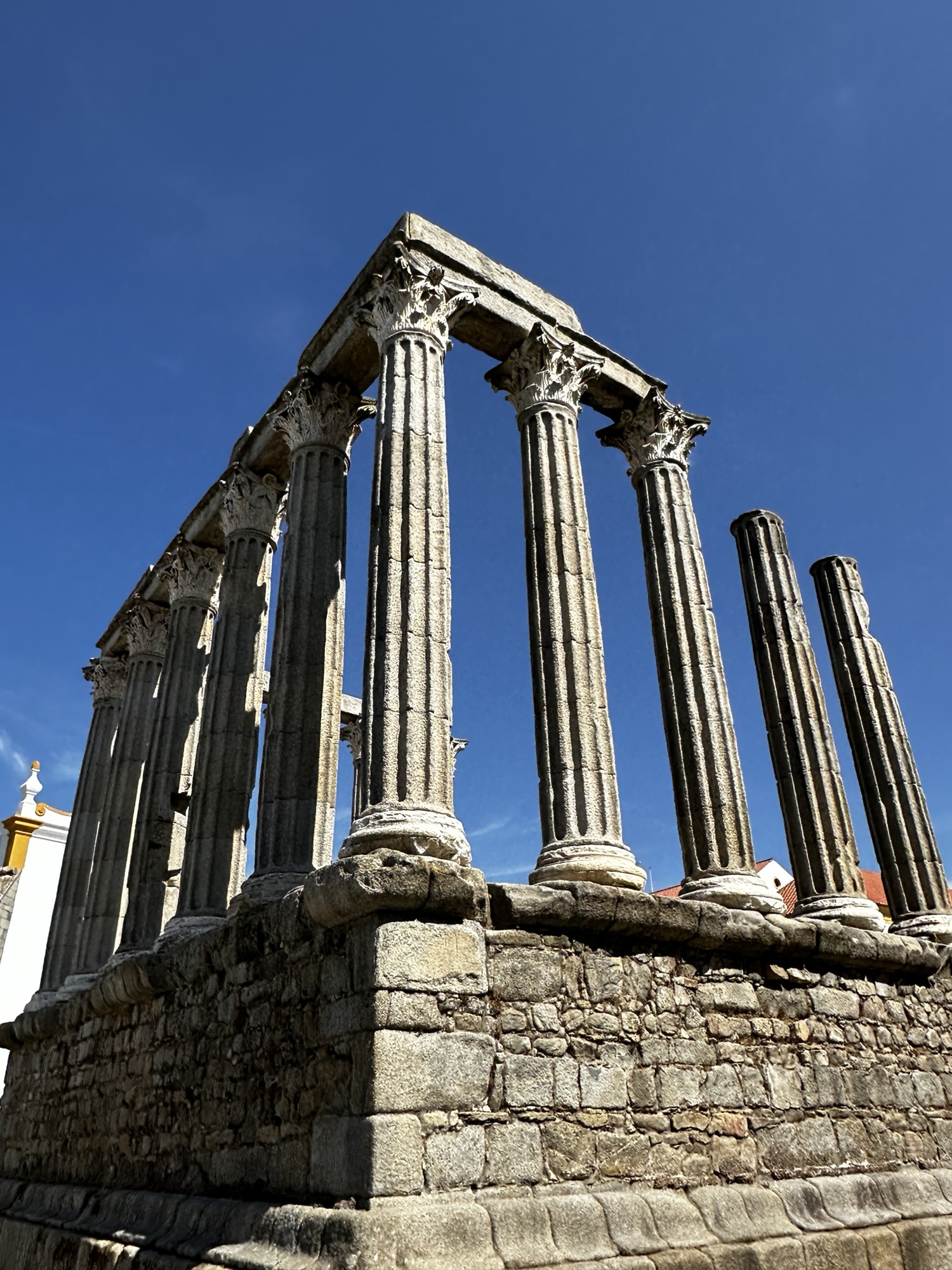
Évora is a UNESCO World Heritage Site (phenomenal that we have been able to visit so many on this trip alone), and it’s got over 2,000 years of fascinating tales packed into its sunburned walls. Back in the day, it was a Roman city, and you can still see the ruins of the Temple of Diana, which is like stepping straight into a time machine.
One of the main reasons why we drove to Évora was to experience the Chapel of Bones, because this place deserves a moment of serious respect.


While researching for this trip there were several must see’s on the itinerary. I loved the history and story behind the Chapel of Bones and made sure that I was well versed on the Chapel before we even entered this sacred place.
This isn’t your average historical site. The Chapel of Bones (Capela dos Ossos in Portuguese) is one of Évora’s most eerie and famous landmarks. Built in the late 16th century by a group of Franciscan monks, this chapel isn’t just lined with regular old stones…oh no, the walls are covered in the bones and skulls of approximately 5,000 people. Yup, that’s right. Bones. Skulls. Everywhere. It’s both incredibly fascinating and deeply unsettling at the same time.
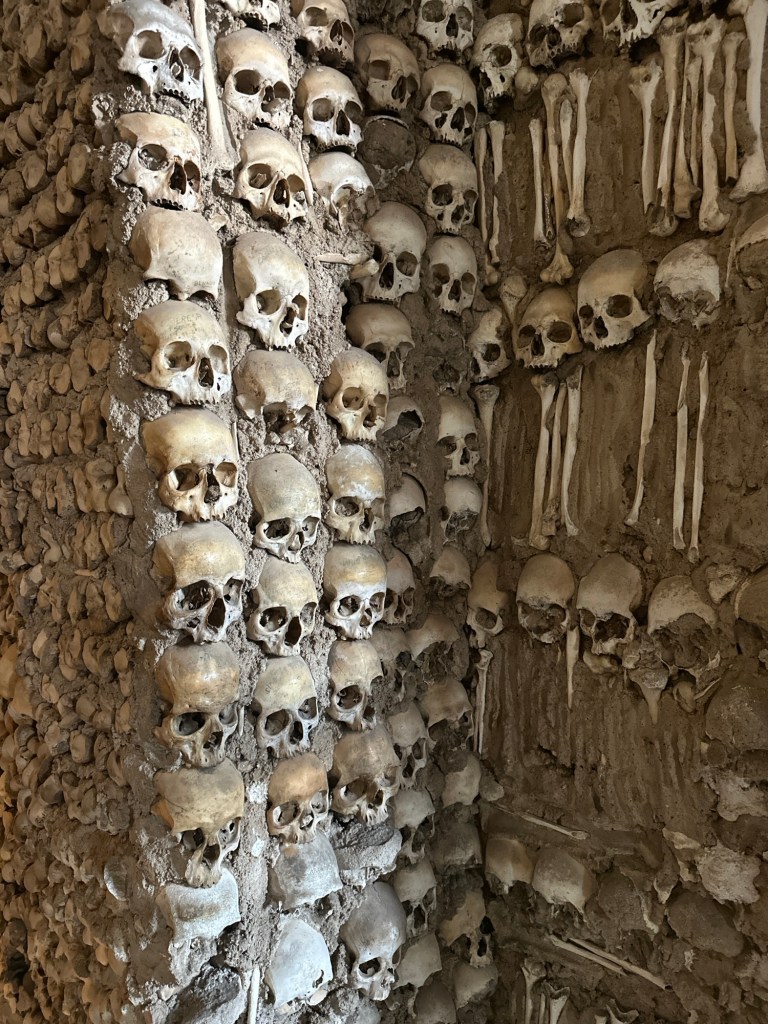
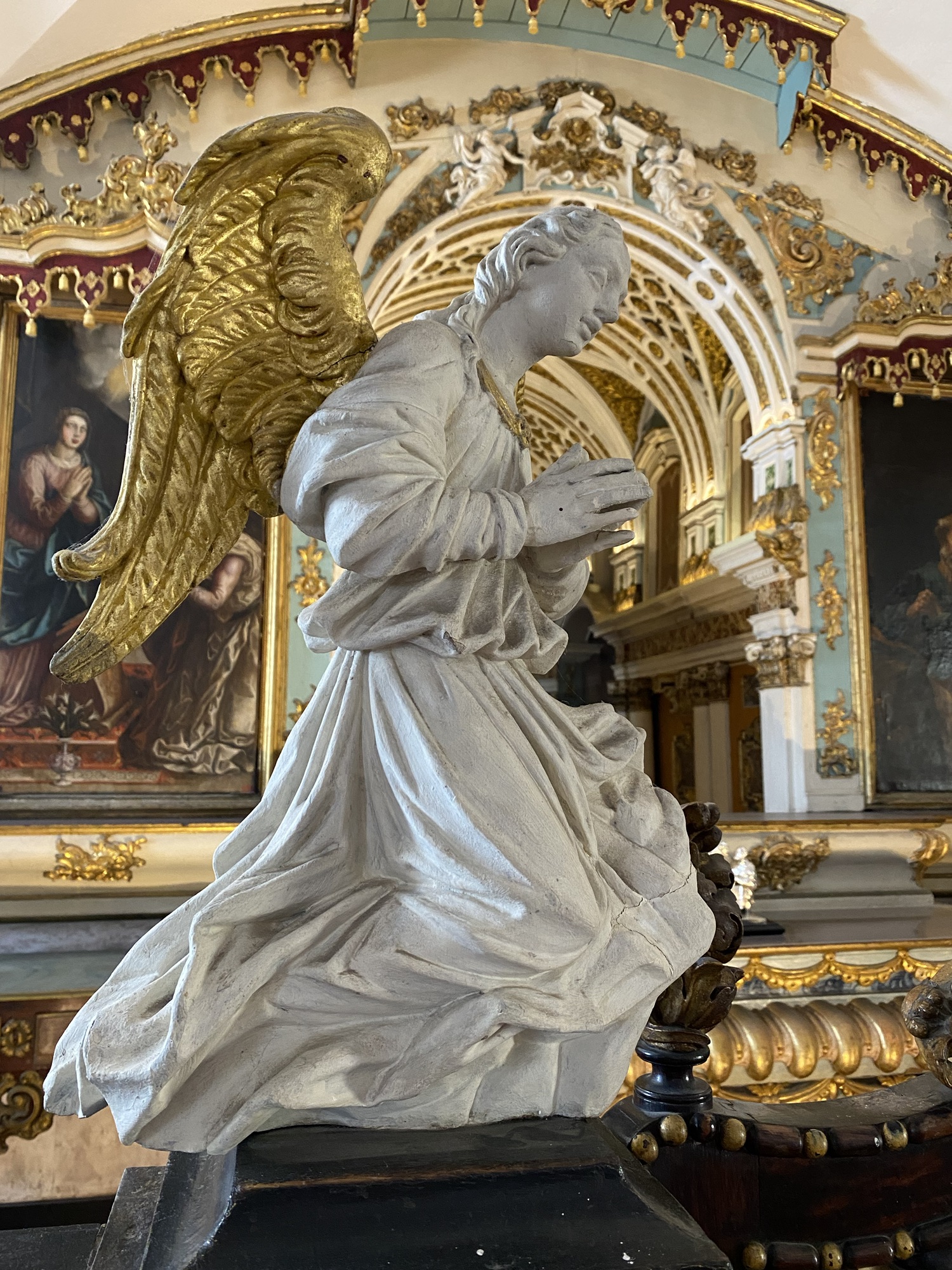
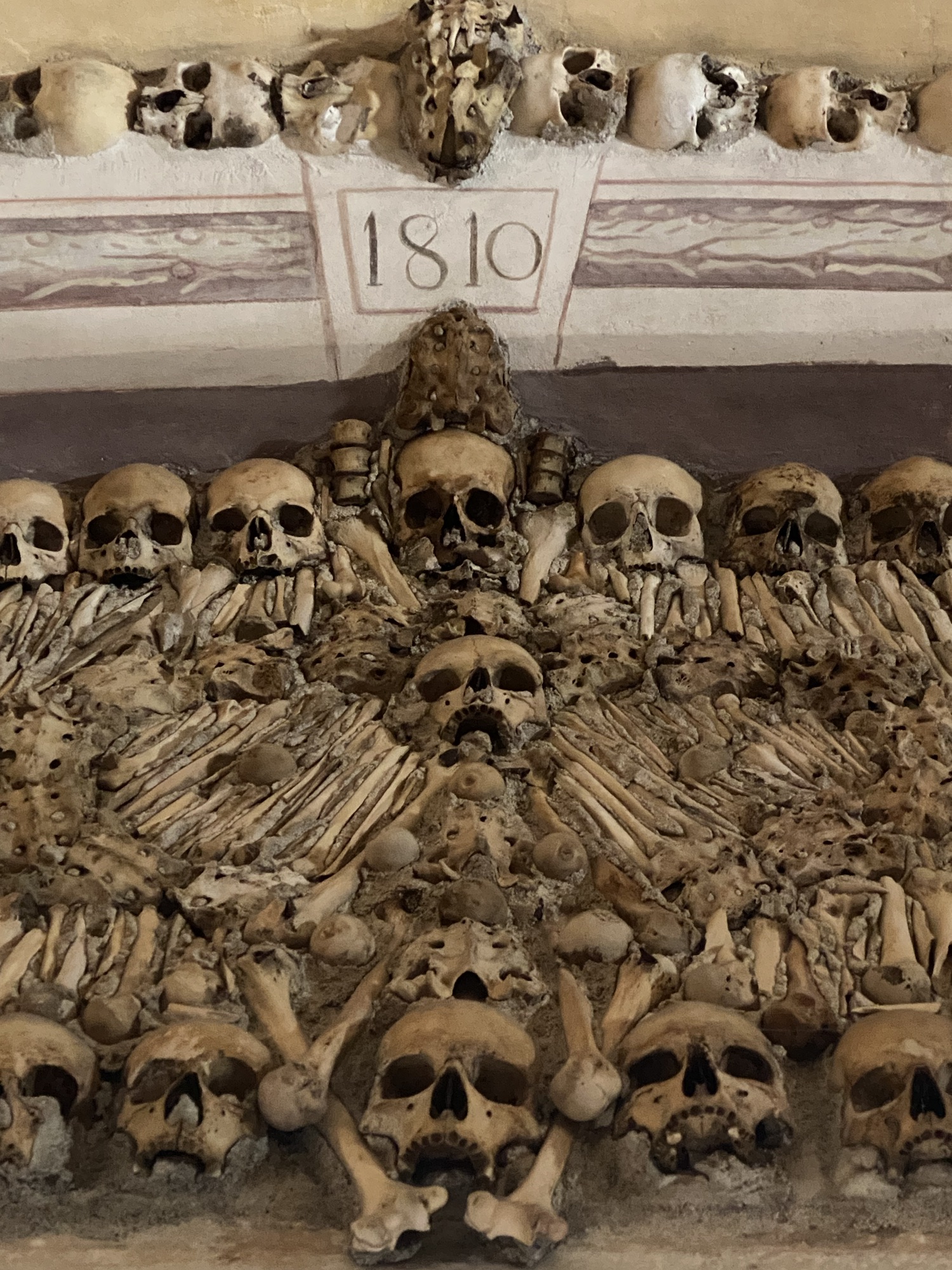
The monks had a message they wanted to convey: “Nos ossos que aqui estamos, pelos vossos esperamos” (www.visitevora.net) which translates to “We bones that are here, await yours.” A friendly little reminder of the fleeting nature of life. Death was a huge focus for them, and the bones serve as a visual representation of the inevitability of it. The chapel is meant to inspire reflection on mortality and the afterlife—a kind of, “Hey, life’s short, remember where you’re heading.”
This wasn’t just done to be creepy. In the 16th century, Évora’s cemeteries were running out of space, so the monks came up with a practical (and kind of morbid) solution: use the bones from overcrowded cemeteries to build something with a deeper meaning. Hence, the Chapel of Bones was born.
Walking through this chapel is a weird mix of awe and unease. Honey and I were silent and were more entranced than anything. You could literally feel the energy of the place. It wasn’t bad, but more of a pulsing energy that touched my soul. There were several moments where I was brought to tears and couldn’t explain why.
The intricate patterns made from bones, the dim lighting, and the quiet—it all feels like stepping into another world. It’s a somber reminder of how deeply interconnected life and death are. The monks weren’t trying to scare people; they wanted them to confront their mortality and live better lives while they still had time.
I’m not going to pretend I wasn’t a little creeped out. Being surrounded by skulls staring back at you while you contemplate your own existence is definitely an experience that stays with you. But it’s also one of those places where you really feel the weight of history and the fragility of life. Honey and I have so much respect for this place, its’ history, and the wonderful people who live here and contribute to the special-ness of Évora.
So while the rest of Évora is breathtaking in its own right, the Chapel of Bones adds a layer of gravity that really makes you think about the bigger picture. It’s a stop you can’t miss—and not just because we thought it would look cool on Instagram, but because it leaves a lasting impact on your soul.
But Évora wasn’t just all about the bone chapel, this historical town is full of treasures, all within walking distance.
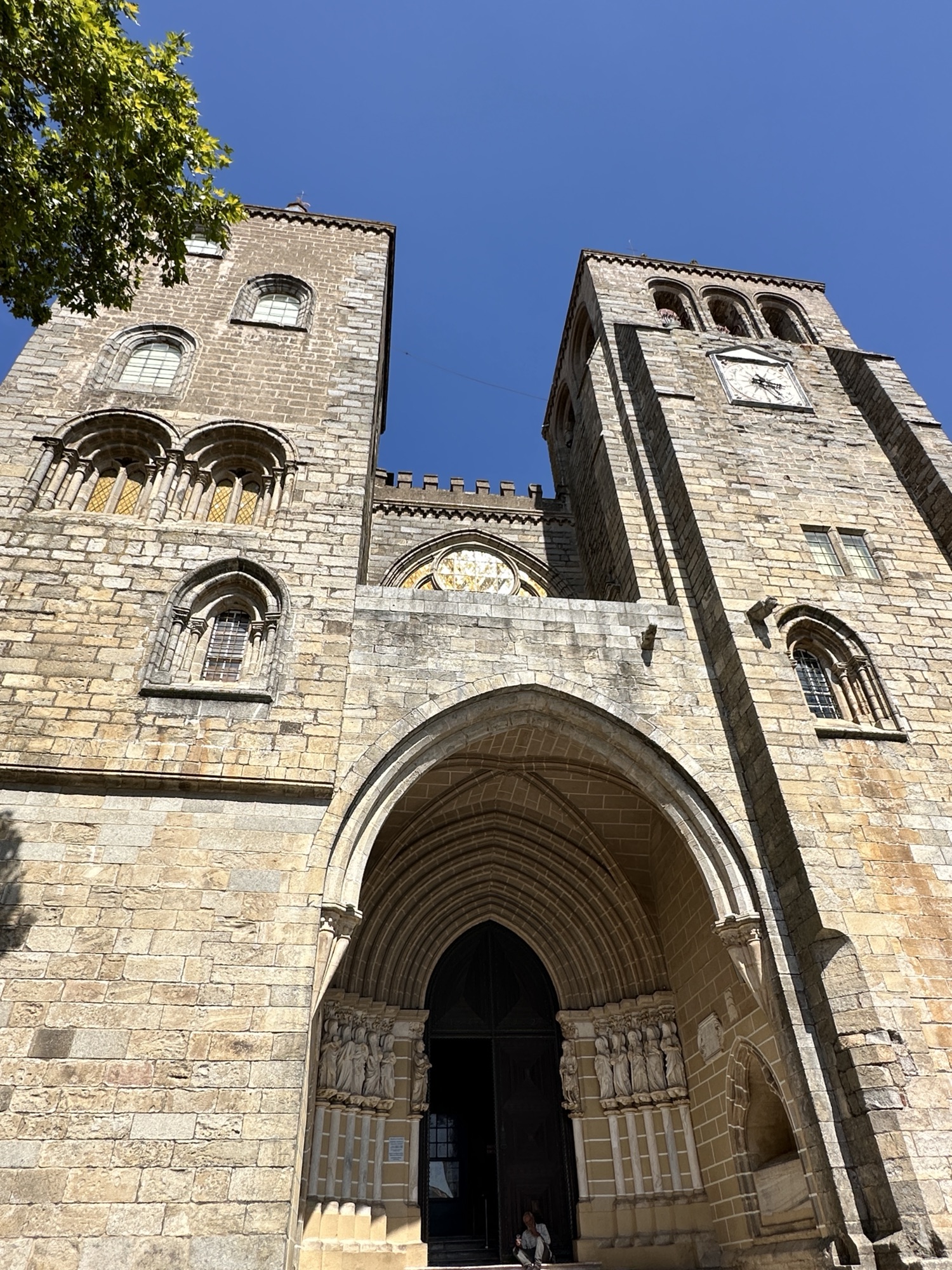
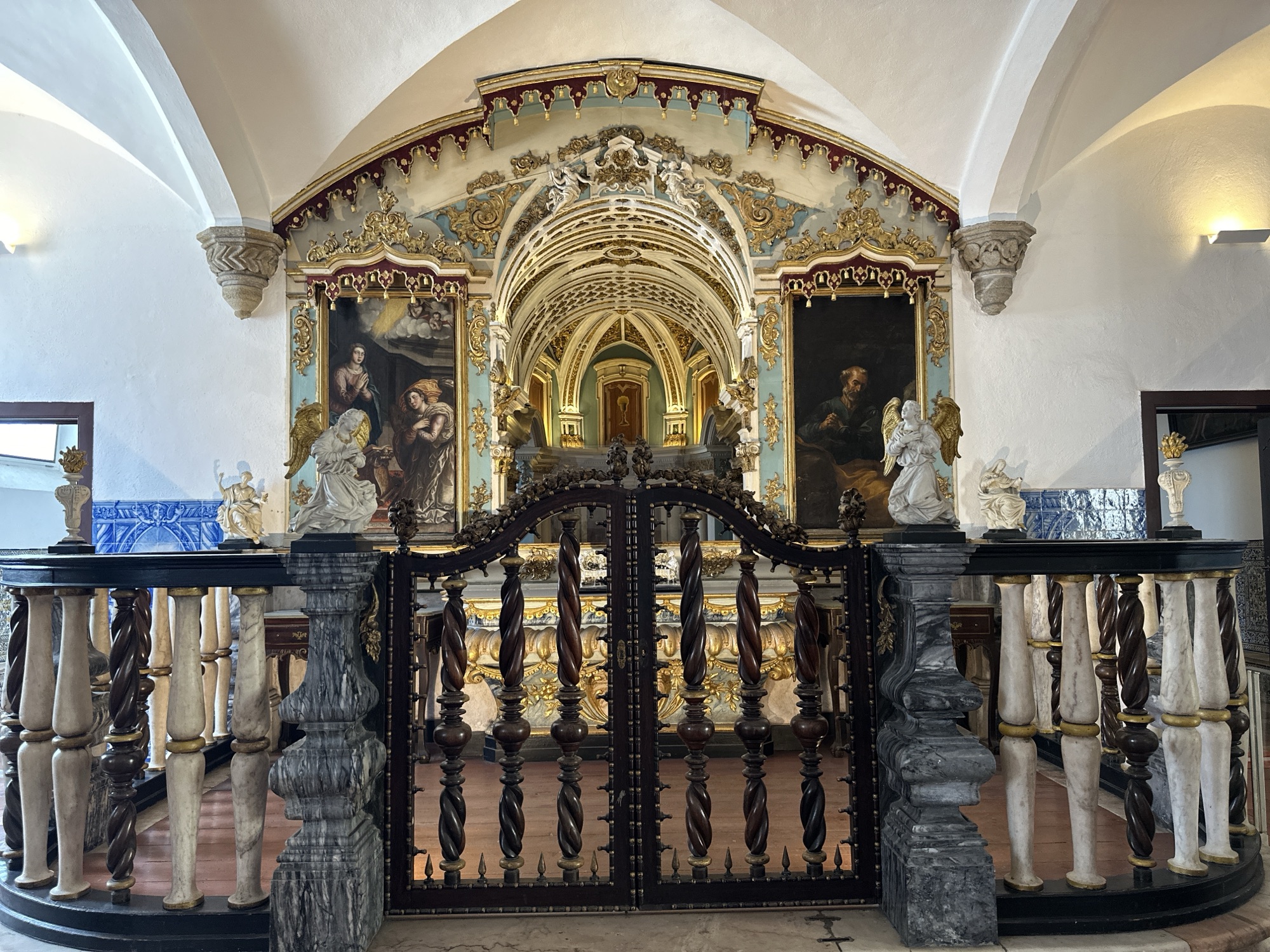
Cathedral of Évora, a massive, Gothic beauty that looks like something straight out of a medieval movie set. You can even climb up to the roof for killer views of the town and surrounding countryside (worth the thigh burn, trust me… remember, gelato and vinho await the weary traveler).
Templo Romano, a piece of ancient Rome just chillin’ in Portugal. It’s one of the best-preserved Roman temples in the Iberian Peninsula and feels completely out of place in the best way.

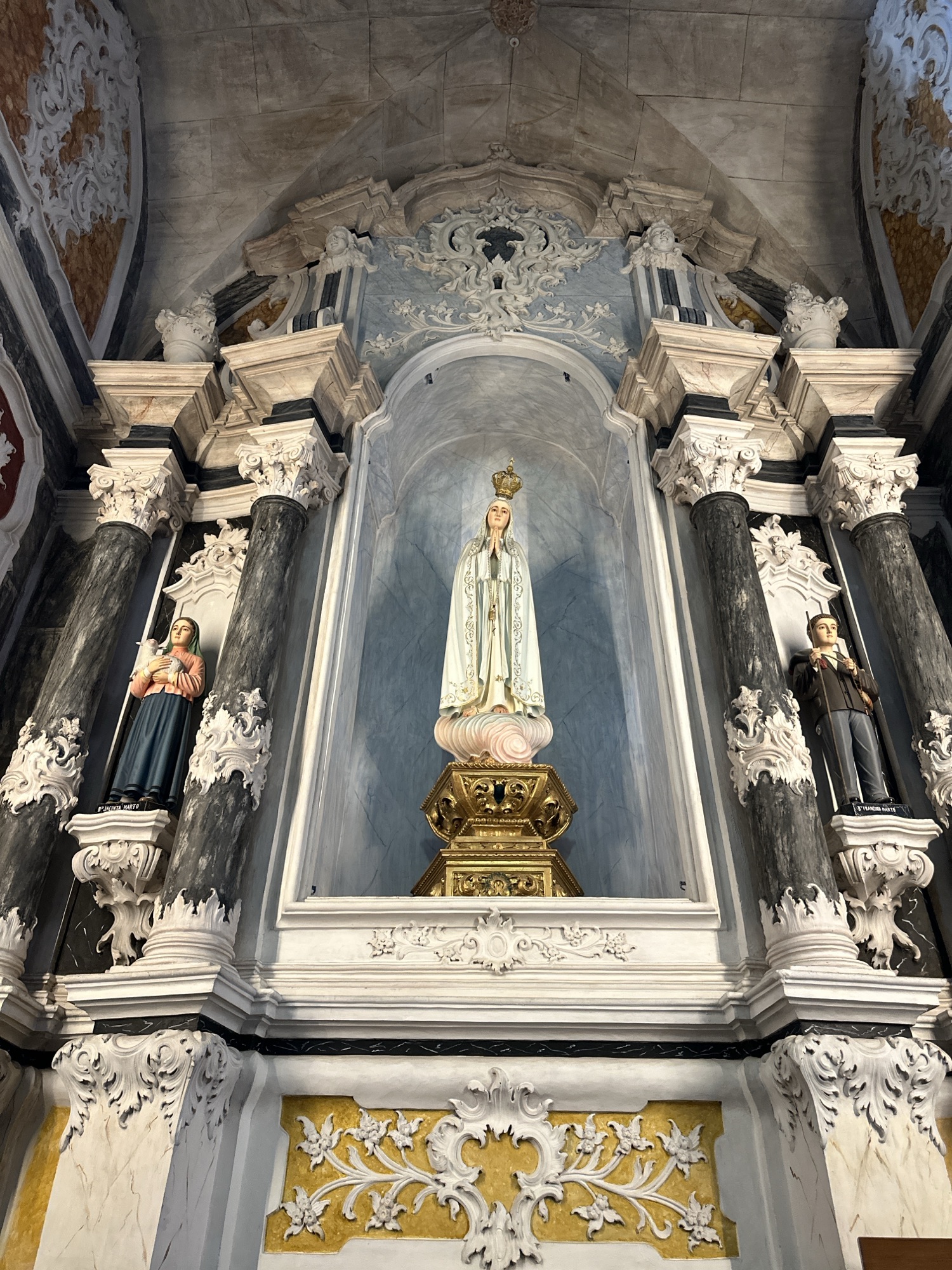
Igreja e Mosteiro de São Francisco—a stunning church that’s as beautiful as it is haunting, with a mix of Gothic and Manueline architecture that’ll have you staring up in awe.

Évora’s got layers, folks, and they’re all worth peeling back! Worth a day trip or two if you are into the Gothic vibe, but Evora is definitely a vibe, babe!

Now, I hate to ruin a lovely post with bitching, but this blog is like my journal, and it wouldn’t be fair to candy coat our experiences. Shit gets real when you travel, so why not talk about it?
Warning, this a picture of my foot, covered in bloody bed bug bite scabs. (Those freaking bites itch more than anything ever.)
Our Hotel
When I say this room was tiny, I’m not exaggerating. My wife and I are not small ladies, so the fact that we had to squeeze into what was basically a twin bed, sandwiched on top of each (Not fun because we were both oozing snot, feverish, and just sweaty hot messes- you’re welcome for the visual) was a whole new level of intimacy. I’d love to tell you it was romantic, but nope—it was 100 degrees, there was no air conditioning, and I swear to the Chapel of Bones the bed bugs were having the time of their lives. I was being devoured like gelato with magic shell.
To top it off, we were at the absolute peak of whatever sickness we’d caught earlier, and were desperate for NyQuil so we could sleep at night. Shout out to our new buddy, Ravi, for somehow saving the day later on coming in clutch with the NyQuil but I’ll get to that.
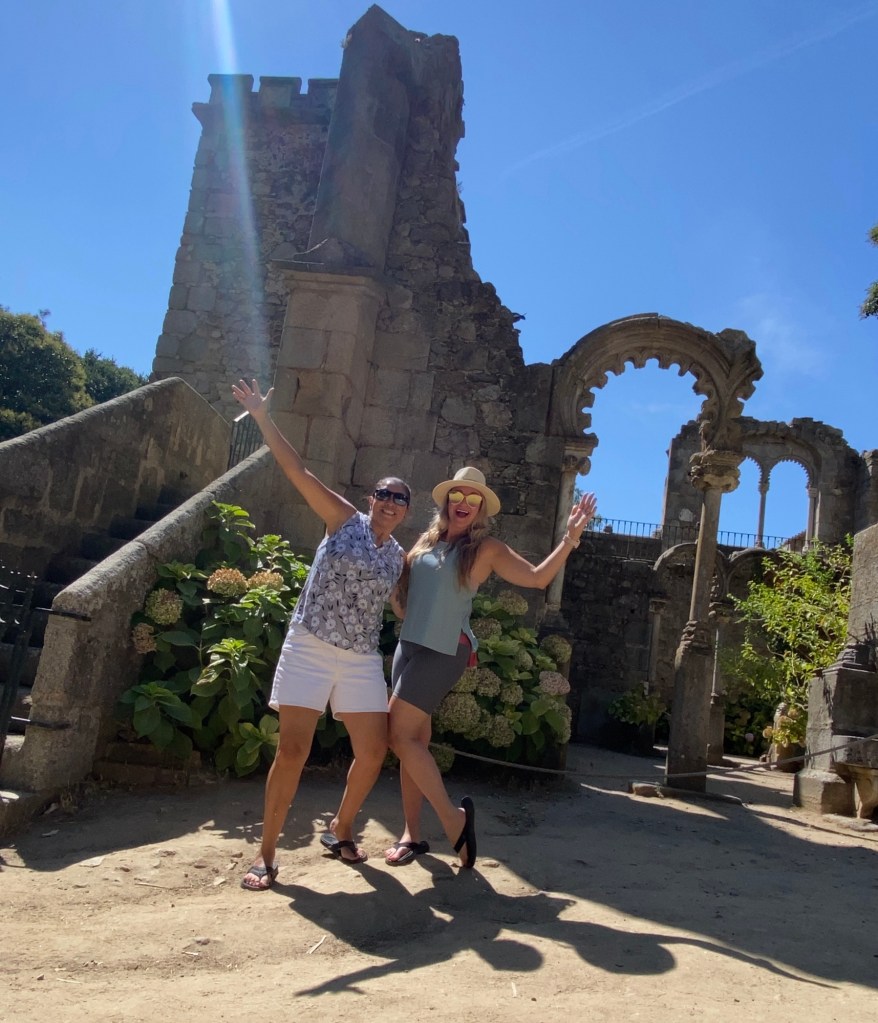
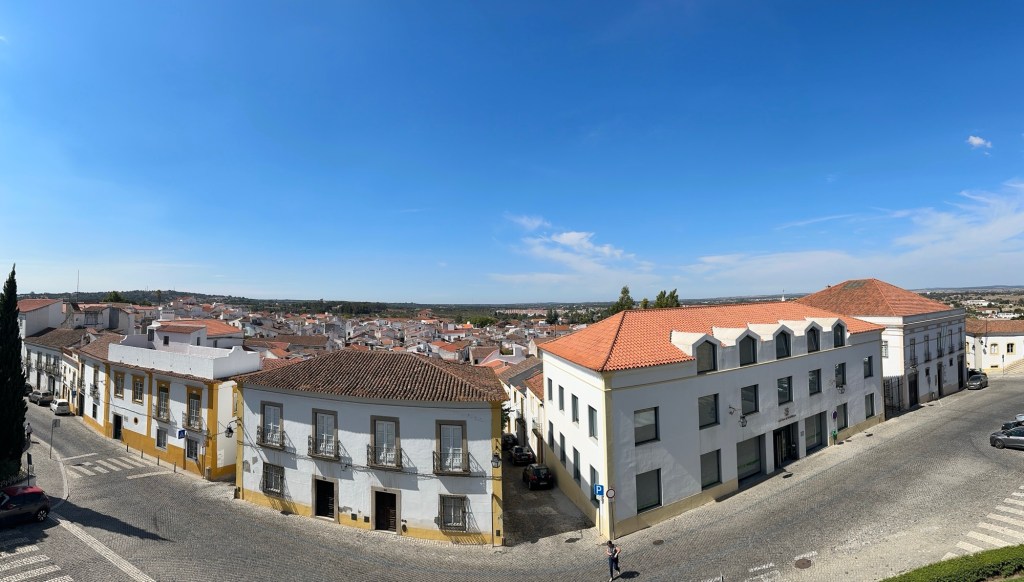
The sights were stunning, and Évora itself is this beautiful, ancient town that feels like stepping back in time. You’ve got medieval walls, Gothic architecture, and these narrow streets where you just know every stone has a story.
Fun fact: The streets of Portugal are paved with stunning calçada portuguesa—intricately hand-laid cobblestones made from limestone and basalt. These black and white stones form beautiful mosaic patterns and have been part of Portuguese tradition since the 19th century. Originally, this technique was used for royal palaces, but now they’re found in public squares, streets, and even some sidewalks. It’s like walking on art! Each piece is placed by skilled artisans called calceteiros, and while these streets may be charming, they are treacherous ( Honey’s sprained ankle story coming up don’t you worry). Credit https://pt.wikipedia.org/wiki/Cal%C3%A7ada_portuguesa
To sum it up: Évora is incredible, historic, and beautiful. Would I go back? 100%. Would I stay in the same place? Absolutely not.
Up next-: the cozy , vibrant beach town of Cascais. (Also where our new bestie Ravi lives!).
 savvynomadadventures
Leave a comment